

Le contrôle de la température est une fonction essentielle dans la fabrication des batteries au lithium. Il influe directement sur la viscosité des matériaux, la qualité du revêtement, l'homogénéité du séchage, la stabilité des équipements et, en fin de compte, l'efficacité de la production. Avec l'automatisation croissante de la production de batteries au lithium et le durcissement des exigences de process, les fabricants accordent une attention accrue aux performances des régulateurs de température des moules et autres équipements de contrôle de la température.
Cependant, en cas de problème de température, le remplacement immédiat du régulateur n'est pas toujours la solution adéquate. Bien souvent, la cause réelle peut être un débit insuffisant, des réglages de température incorrects, une contamination, des erreurs de capteur ou un système de circulation mal conçu.
Ce guide se concentre sur plusieurs défis courants liés au contrôle de la température dans la fabrication des batteries au lithium et propose une approche pratique de dépannage pour les équipes techniques et après-vente.
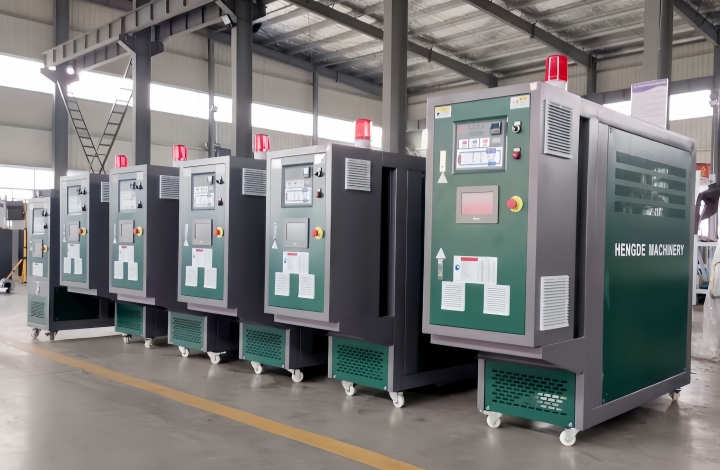
1. Fluctuations de température pendant la production
L'un des problèmes les plus fréquents est l'instabilité de la température de process. Par exemple, un process peut être réglé à 80 °C, mais la température réelle peut fluctuer constamment entre 76 °C et 84 °C. Les opérateurs peuvent initialement incriminer le régulateur de température du moule, mais ces fluctuations peuvent avoir plusieurs causes.
Les possibilités courantes incluent :
Comment les techniciens doivent-ils le vérifier ?
Commencez par les vérifications les plus simples.
Étape 1 : Comparez la température affichée par le contrôleur avec celle d’un thermomètre indépendant.
Étape 2 : Vérifiez les températures d'entrée et de sortie de l'équipement de traitement.
Étape 3 : Vérifiez si la pompe de circulation fonctionne normalement.
Étape 4 : Vérifier que le débit réel répond aux exigences du processus.
Étape 5 : Vérifiez si de l'air est emprisonné à l'intérieur du système de circulation.
Étape 6 : Ce n’est qu’après ces vérifications que vous devriez ajuster les paramètres PID ou suspecter une défaillance d’un composant du contrôleur.
Hengde InsightUn problème de fluctuation de température est souvent trop rapidement attribué à un problème de régulateur. Selon nous, les techniciens devraient analyser conjointement la température, le débit et la pression. La température indique ce qui se passe, tandis que le débit et la pression expliquent souvent pourquoi.
2. Chauffage ou refroidissement lent
Un autre problème fréquemment rencontré est le suivant : « Le régulateur de température fonctionne, mais il met trop de temps à atteindre la température de consigne. » Ce problème est particulièrement visible au démarrage de la production ou lorsque la température du procédé doit être modifiée rapidement. Avant de remplacer le réchauffeur ou la pompe, vérifiez la charge thermique réelle.
Un régulateur de température de moule peut avoir une puissance de chauffage suffisante dans des conditions normales, mais devenir lent lorsque :
Pour les techniciens, il est utile de consigner la durée de chauffage, la température initiale, la température cible, la température d'entrée, la température de sortie et le débit. Cela permet d'obtenir une image beaucoup plus précise que de simplement dire « le chauffage est lent ».
3. Débit insuffisant dans la boucle de régulation de température
Les problèmes de débit peuvent engendrer des problèmes de température qui paraissent bien plus complexes qu'ils ne le sont en réalité. Si le débit dans l'équipement de traitement est trop faible, le transfert de chaleur devient inefficace. Le régulateur de température du moule peut atteindre sa température de consigne tandis que l'équipement de traitement reste trop chaud ou trop froid. Vérifiez les points suivants :
Pour les ingénieurs après-vente, un contrôle précoce du flux peut permettre de gagner un temps considérable lors du dépannage.
Un régulateur affichant une température normale ne signifie pas nécessairement que le processus reçoit suffisamment d'énergie thermique.
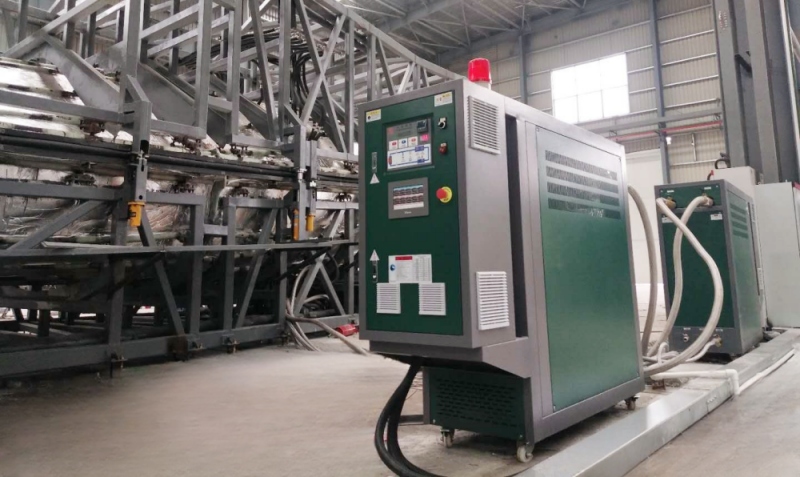
4. Précision et installation du capteur de température
Les capteurs de température constituent une autre source fréquente de mesures erronées. Un capteur peut fonctionner électriquement, mais fournir des informations de processus inexactes s'il est mal installé. Par exemple, le capteur peut être :
Une méthode de dépannage simple. Il faut faire abstraction des hypothèses relatives au processus et se concentrer sur la mesure elle-même.
ComparerLecture du contrôleur → Thermomètre indépendant → Entrée du processus → Sortie du processus.
Si le régulateur affiche 100 °C alors qu'un instrument indépendant indique 92 °C, ne modifiez pas immédiatement le réglage de température du régulateur. Déterminez d'abord quelle mesure est correcte.
Hengde InsightLors du dépannage d'un système de contrôle de température, la première question à se poser n'est pas « Pourquoi la machine ne parvient-elle pas à contrôler la température ? » mais « Connaissons-nous la température réelle du processus ? ». Un signal de température erroné peut faire apparaître comme défectueux un régulateur de température de moule parfaitement fonctionnel.
5. Défis liés au contrôle des hautes températures
Certains procédés de fabrication de batteries au lithium nécessitent des températures relativement élevées et stables. Pour les applications exigeant des températures de fonctionnement plus élevées, un régulateur de température de moule à huile peut s'avérer plus approprié qu'un système à eau.
Les systèmes à eau sont couramment utilisés pour les procédés nécessitant des températures plus basses, tandis que les systèmes de régulation de température à huile peuvent être choisis pour les applications à plus haute température. Par exemple, selon la conception du procédé :
Contrôleur de température pour moisissures d'eau: convient à de nombreux procédés à une température inférieure à environ 180 °C.
Contrôleur de température pour moules à huile:convient aux applications à haute température, certains systèmes étant conçus pour des températures d'environ 150 à 350 °C.
Les problèmes potentiels liés aux hautes températures comprennent :
Le fluide caloporteur doit également être considéré comme faisant partie intégrante du système de régulation de température et non comme un simple consommable.
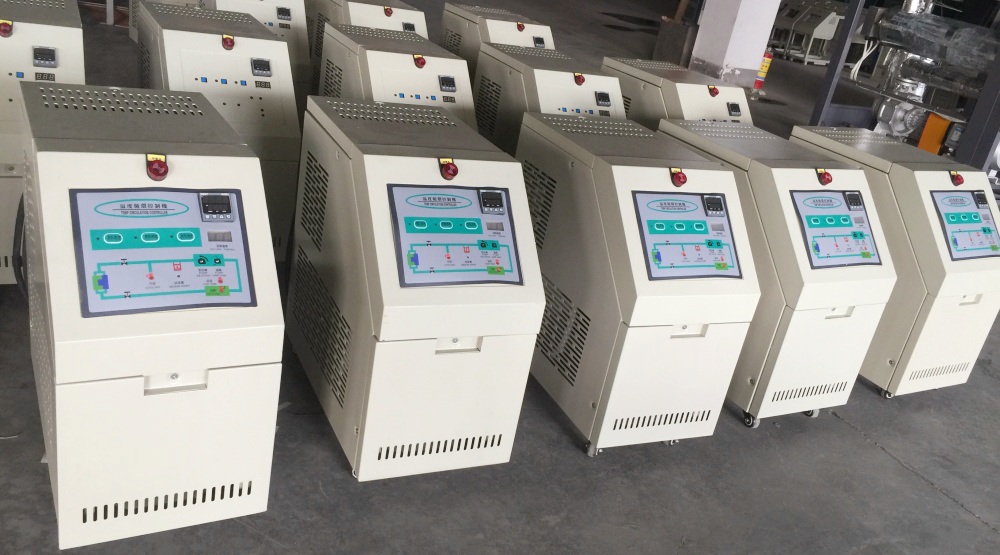
6. Une méthode pratique de dépannage étape par étape
Lorsqu'une ligne de production de batteries au lithium signale un problème de régulation de température, les techniciens peuvent suivre la procédure suivante :
Étape 1 : Confirmer le besoin réel
Enregistrer:
* Température cible
* Température réelle
* Écart de température admissible
* Débit requis
* Température d'entrée du procédé
* Température de sortie du procédé
Étape 2 : Vérifier le régulateur de température
Vérifier:
* Fonctionnement du chauffage
* Fonctionnement de la pompe
* Fonction de refroidissement ou de réfrigération
* Enregistrements d'alarme
* Pression
* Affichage de la température
Étape 3 : Vérifier le système de circulation
Inspecter:
* Filtres
* Vannes
* Tuyauterie
* Connexions
* De l'air dans le système
* Débit
Étape 4 : Vérifier le capteur
Comparez la lecture du contrôleur avec celle d'un instrument de mesure indépendant.
Étape 5 : Vérifier la charge du processus
Demandez si quelque chose a changé :
Étape 6 : Ajustez les paramètres uniquement après avoir vérifié le matériel.
Le réglage PID peut être utile, mais il ne doit pas être utilisé pour compenser un filtre obstrué, un débit insuffisant, une installation incorrecte du capteur ou une capacité inadéquate de l'équipement.
7. Comment améliorer la fiabilité du contrôle de la température
Pour les fabricants de batteries au lithium, la fiabilité du contrôle de la température doit être prise en compte dès le choix des équipements, et non seulement après la survenue d'un problème. Les équipes techniques doivent être attentives aux points suivants :
Hengde InsightPour une production continue de batteries, je ne choisirais pas un régulateur de température de moule en me basant uniquement sur sa puissance de chauffage. La pompe et le système de circulation méritent autant d'attention que l'élément chauffant. Un élément chauffant puissant ne peut compenser un mauvais transfert de chaleur dû à une circulation insuffisante.
Ceci est particulièrement important lorsqu'un seul régulateur de température est connecté à plusieurs points de processus. Le système peut nécessiter une évaluation en tant que circuit thermique complet plutôt qu'en tant que machine individuelle.
8. FAQ : Régulateurs de température des moules dans la fabrication des batteries au lithium
Quel type de régulateur de température de moule convient à la production de batteries au lithium ?
Cela dépend de la température du procédé et des exigences en matière de transfert de chaleur. Les systèmes à eau sont couramment utilisés pour les procédés à basse température, tandis que les systèmes à huile sont plus adaptés aux applications à haute température.
Pourquoi la température de mon thermostat fluctue-t-elle alors que le thermostat fonctionne ?
Vérifiez le débit, la position du capteur, la présence d'air dans la boucle de circulation, la charge du processus et les conditions de transfert de chaleur avant de conclure à une panne du contrôleur.
Pourquoi la vitesse de chauffage est-elle trop lente ?
Vérifier la capacité de chauffage, le débit, les pertes de chaleur, la longueur de la tuyauterie, la charge du processus et l'état du fluide caloporteur.
Comment puis-je savoir si le capteur de température est précis ?
Comparez la lecture du contrôleur avec celle d'un thermomètre indépendant étalonné au même point de mesure ou aussi près que possible.
Un régulateur de température plus puissant est-il toujours meilleur ?
Non. Le système approprié doit correspondre à la charge thermique réelle, aux exigences de circulation et à la température du procédé. Un surdimensionnement sans prise en compte du système de circulation n'améliore pas automatiquement la régulation de la température.
Conclusion
Les problèmes de régulation de température dans la fabrication des batteries au lithium sont rarement dus à un seul composant. Le régulateur de température du moule, la pompe de circulation, le capteur, le système de tuyauterie, le fluide caloporteur et le processus de production influent tous sur la température finale.
Pour les équipes techniques et après-vente, l'approche la plus efficace consiste d'abord à mesurer, à isoler le problème, puis à ajuster ou à remplacer les composants.
Cette méthode permet non seulement de résoudre plus rapidement les problèmes actuels de régulation de température, mais elle fournit également des informations utiles pour sélectionner l'équipement de régulation de température adapté aux futures lignes de production.
Pour les applications de batteries au lithium, Hengde fournit de l'eau et de l'huile Contrôleurs de température des moules Conçues pour répondre à différentes exigences de température de process, avec des solutions personnalisées disponibles en fonction de la capacité de chauffage, du débit, de la plage de température et des conditions d'application.
ÉTIQUETTES :
WhatsApp : +8618351969707
E-mail : sales@sinohengde.com
Adresse : No.1 Jiangyang Line, Hongqi community, Hengxi Street,Jiangning, Jiangsu, China